Art and colour
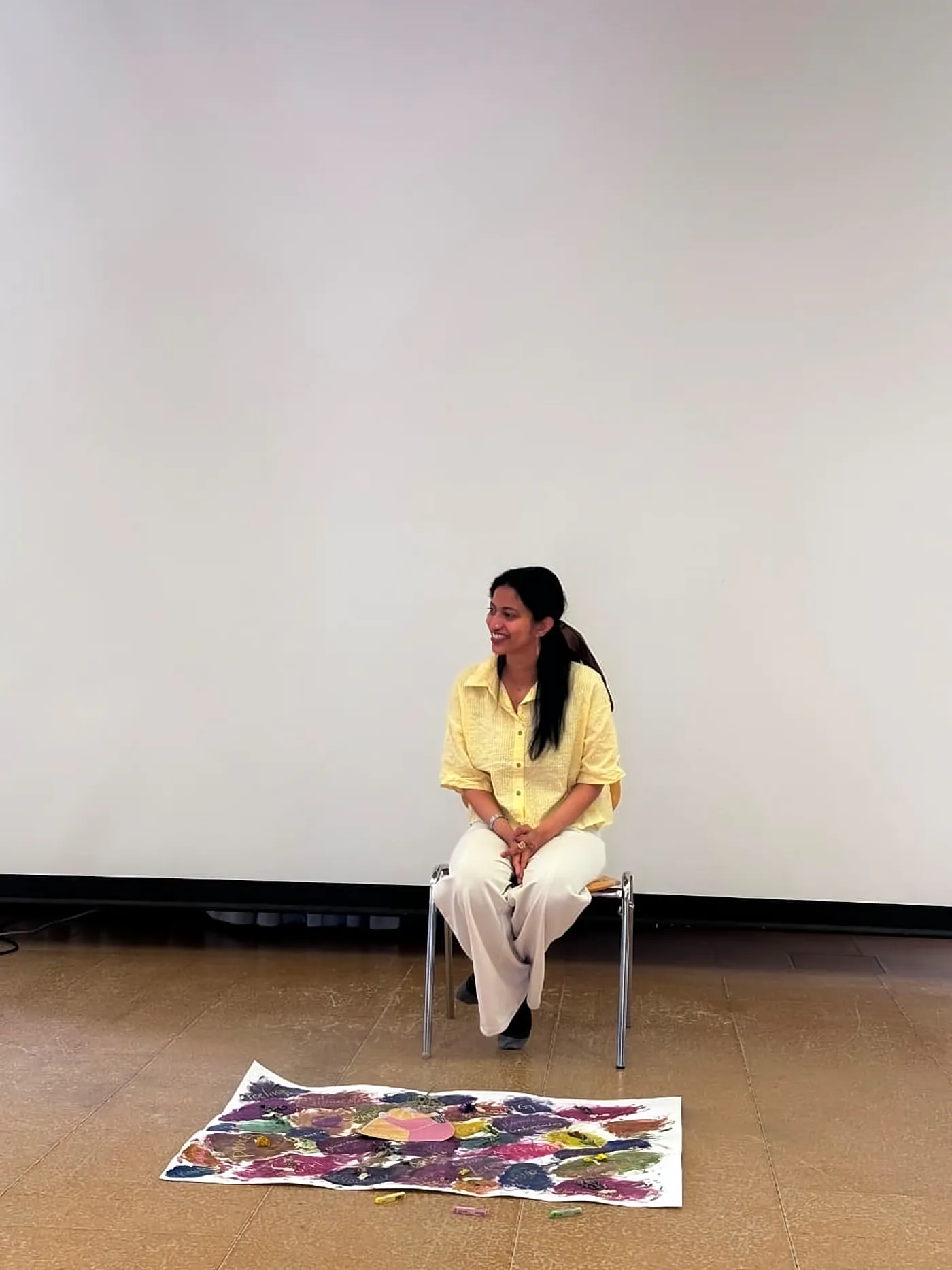
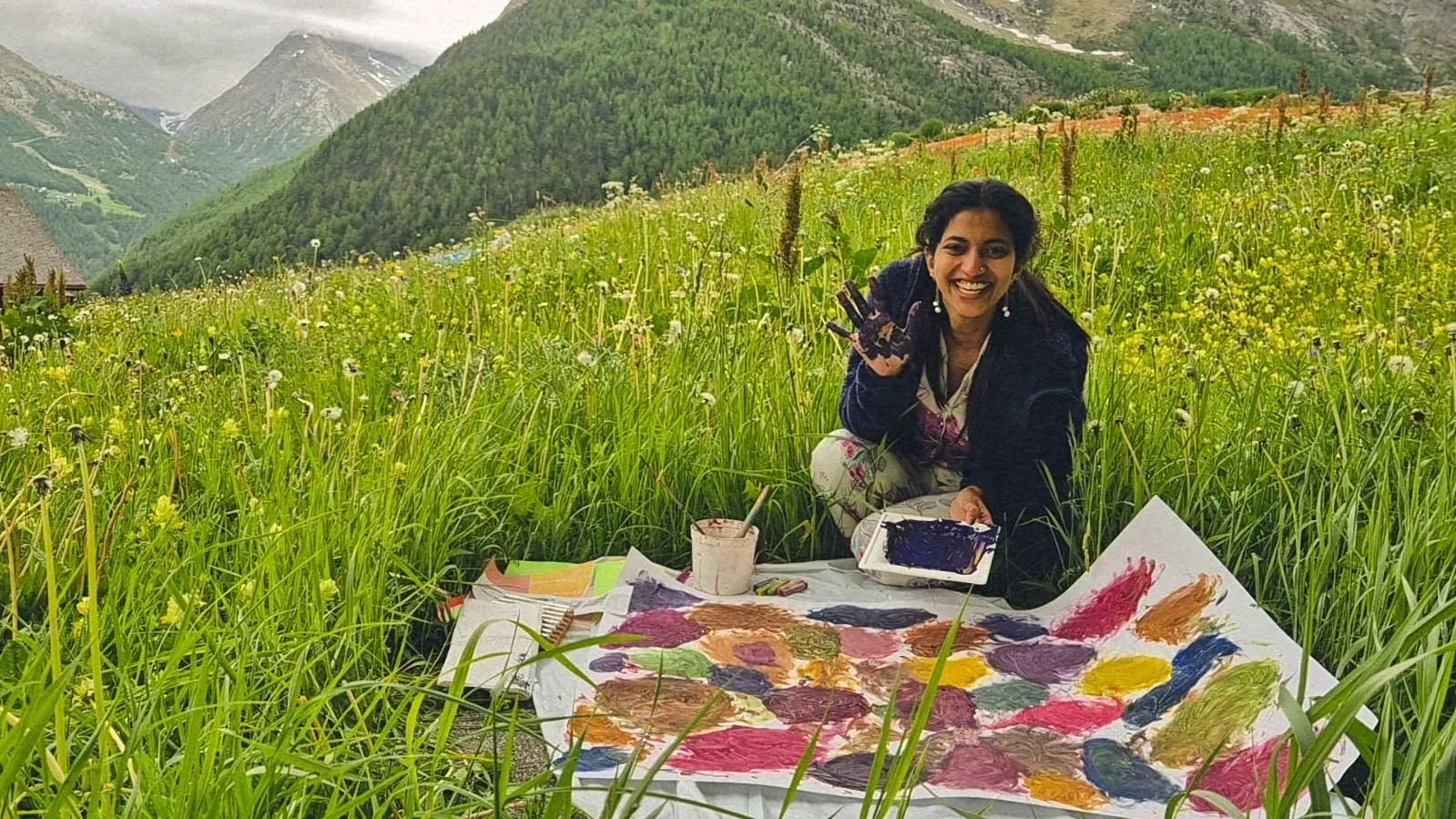
Painting, drawing or collage to show what is hard to say. The marks matter, not how they look.
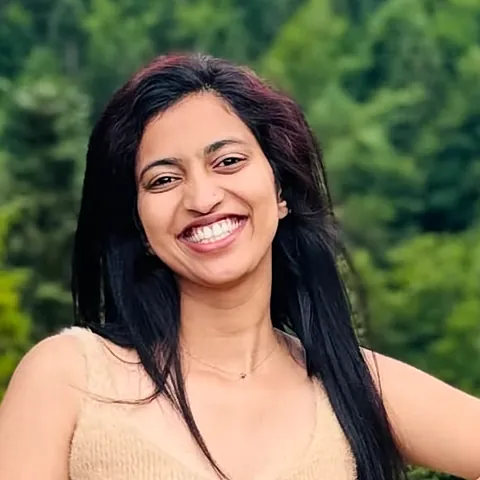
A gentle way to work through what you feel using art, music, movement, drama and writing, alongside talking. Guided online by Ritty Thomas, psychologist and Expressive Arts practitioner.
You don't need to be artistic. A pencil, some paper and a little space are enough.
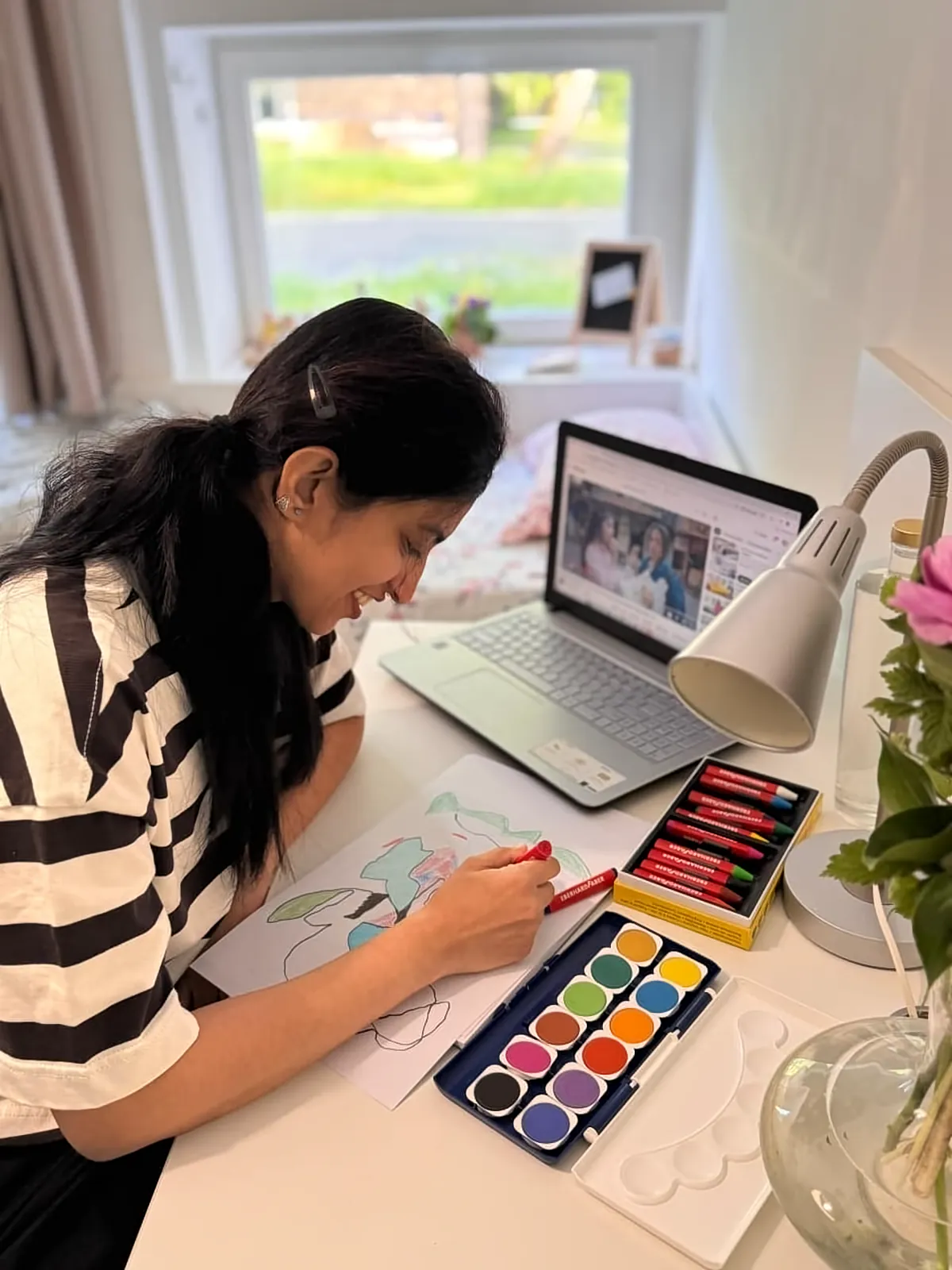
Painting, drawing or collage to show what is hard to say. The marks matter, not how they look.
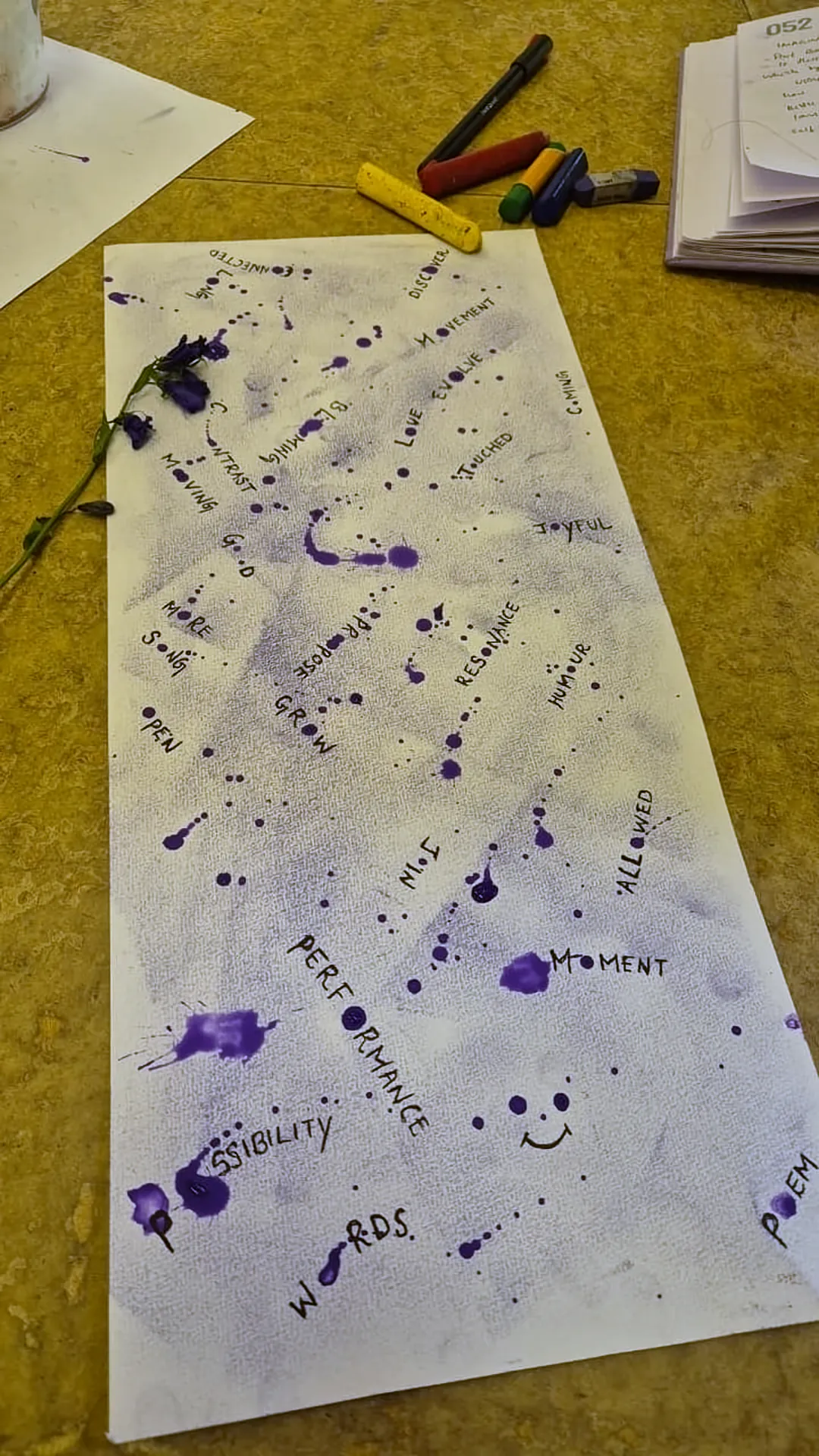
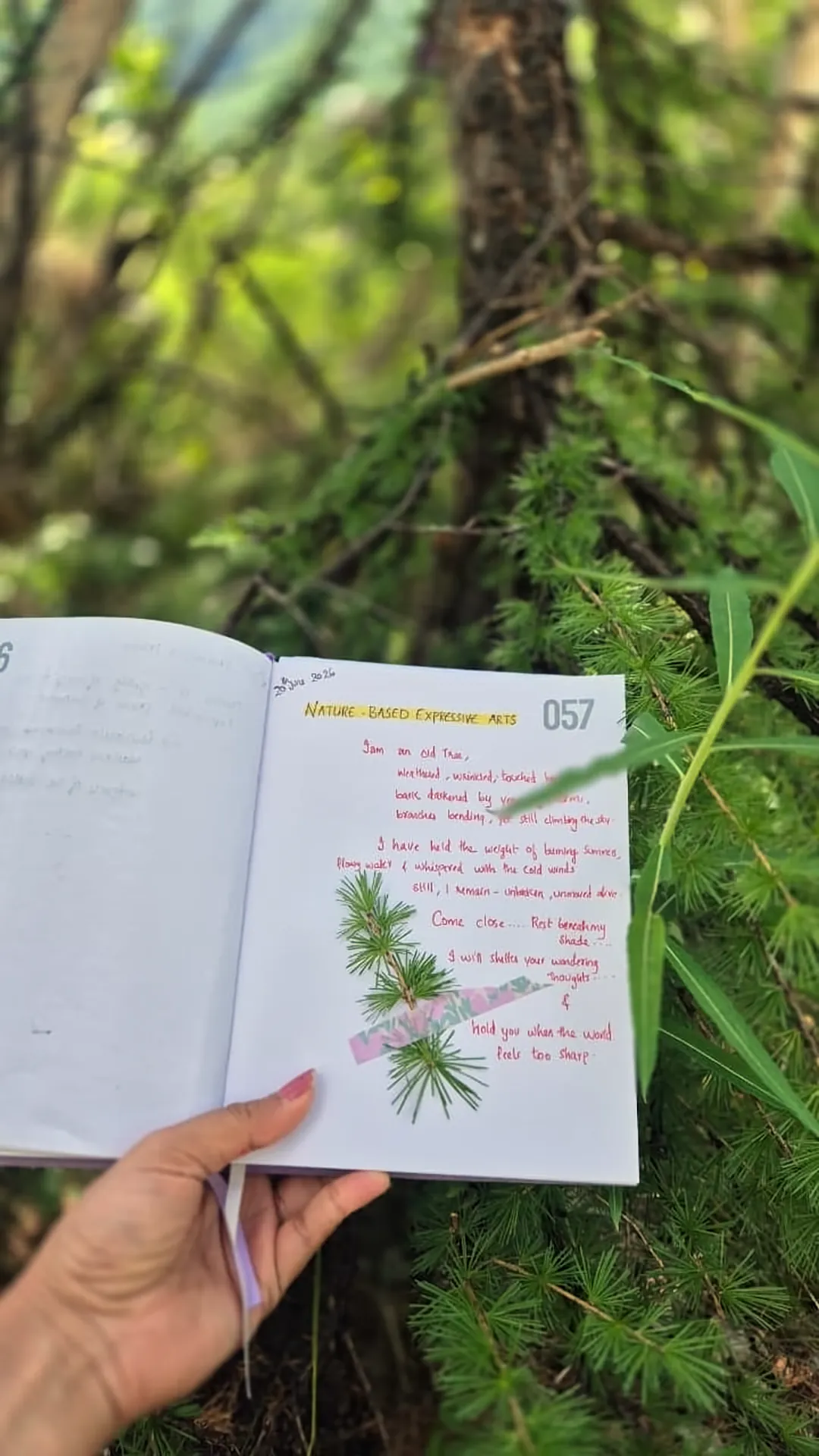
A few words, a short letter or a poem next to colour. A quiet way to notice what is going on inside.
Free movement, rhythm and play, outdoors or in your room, to let something out or settle your breath.
Drama (small role-play or voicing a feeling) and writing (letters, lists, short poems) are part of it too.
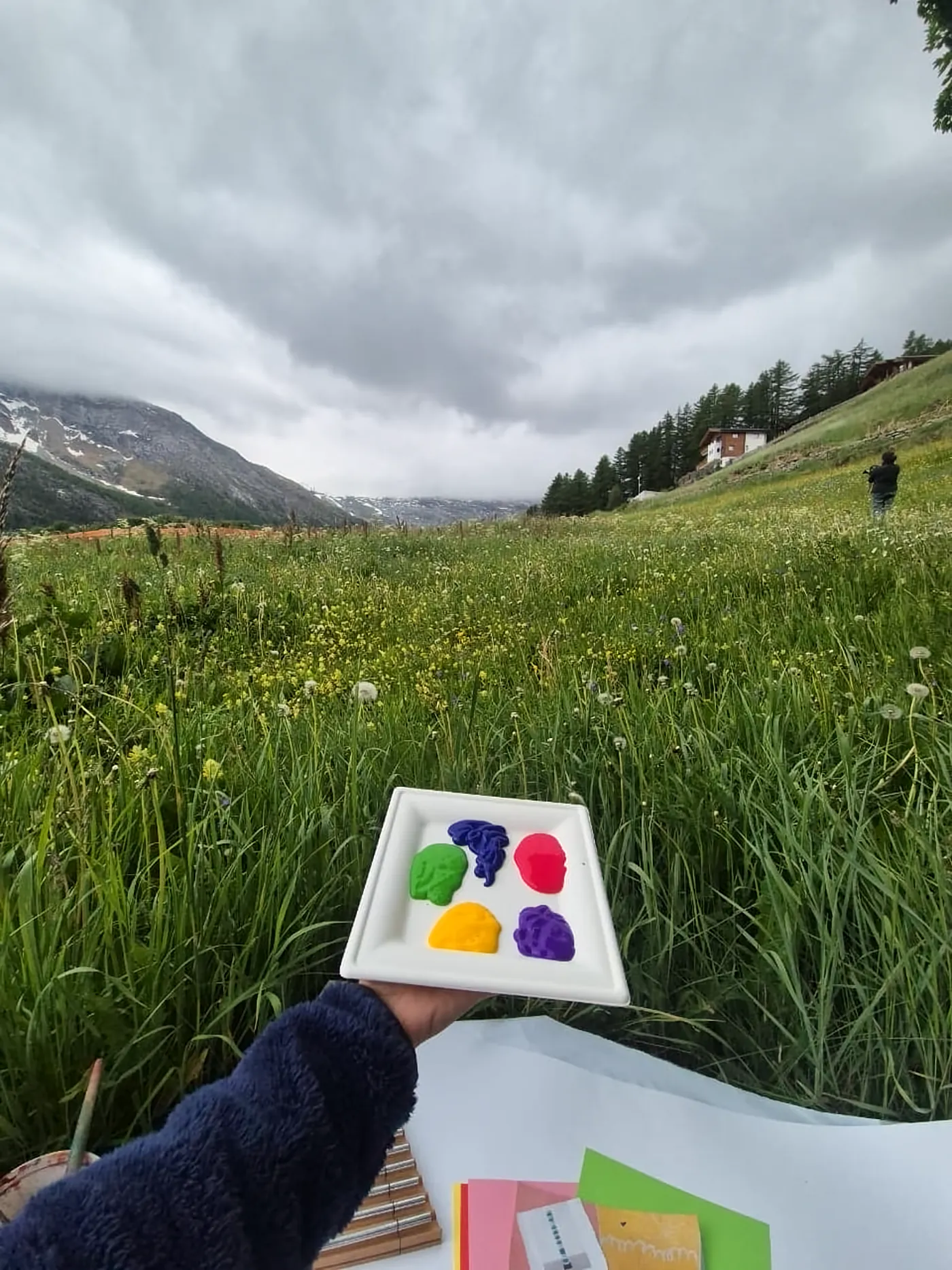
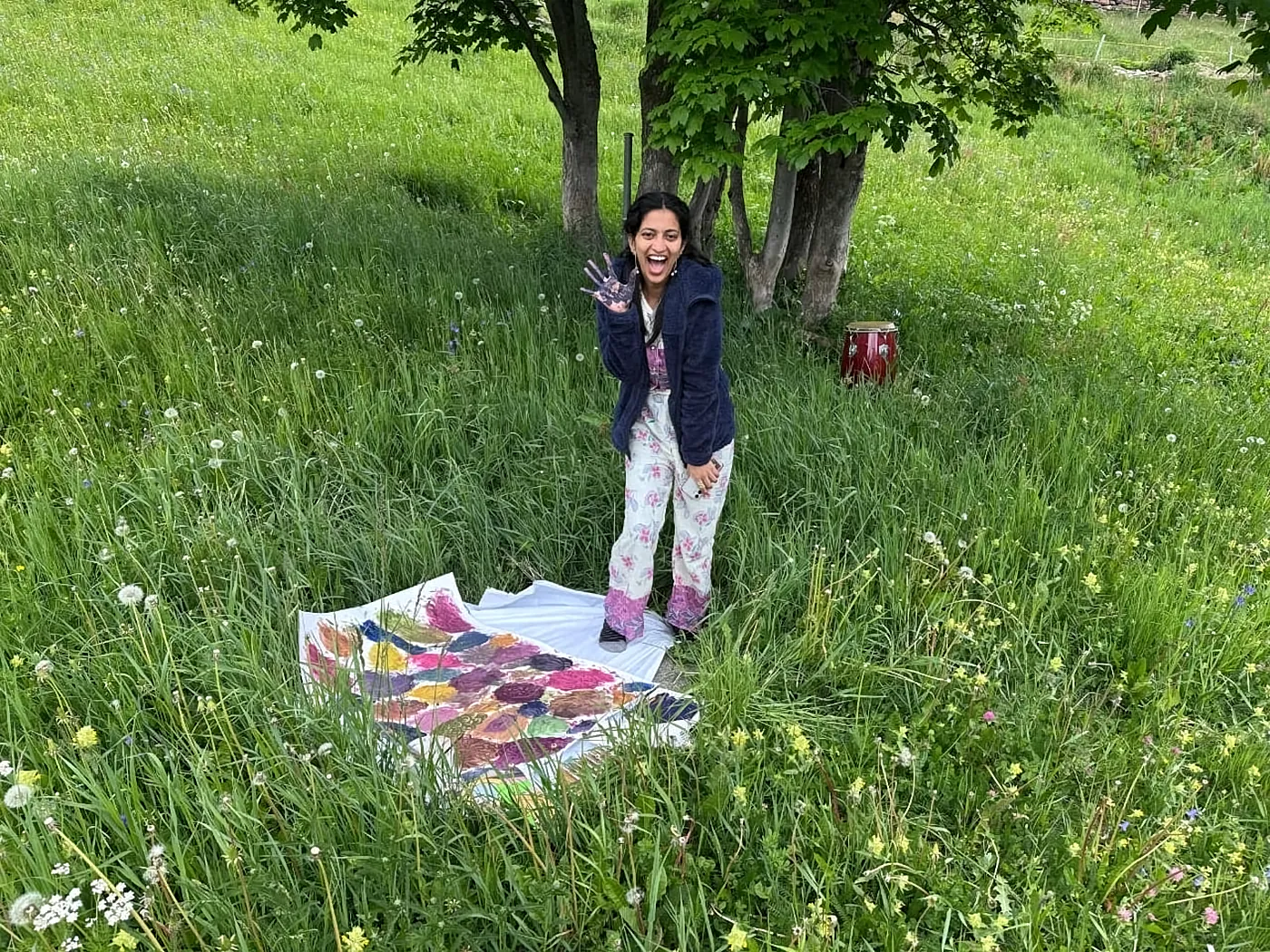
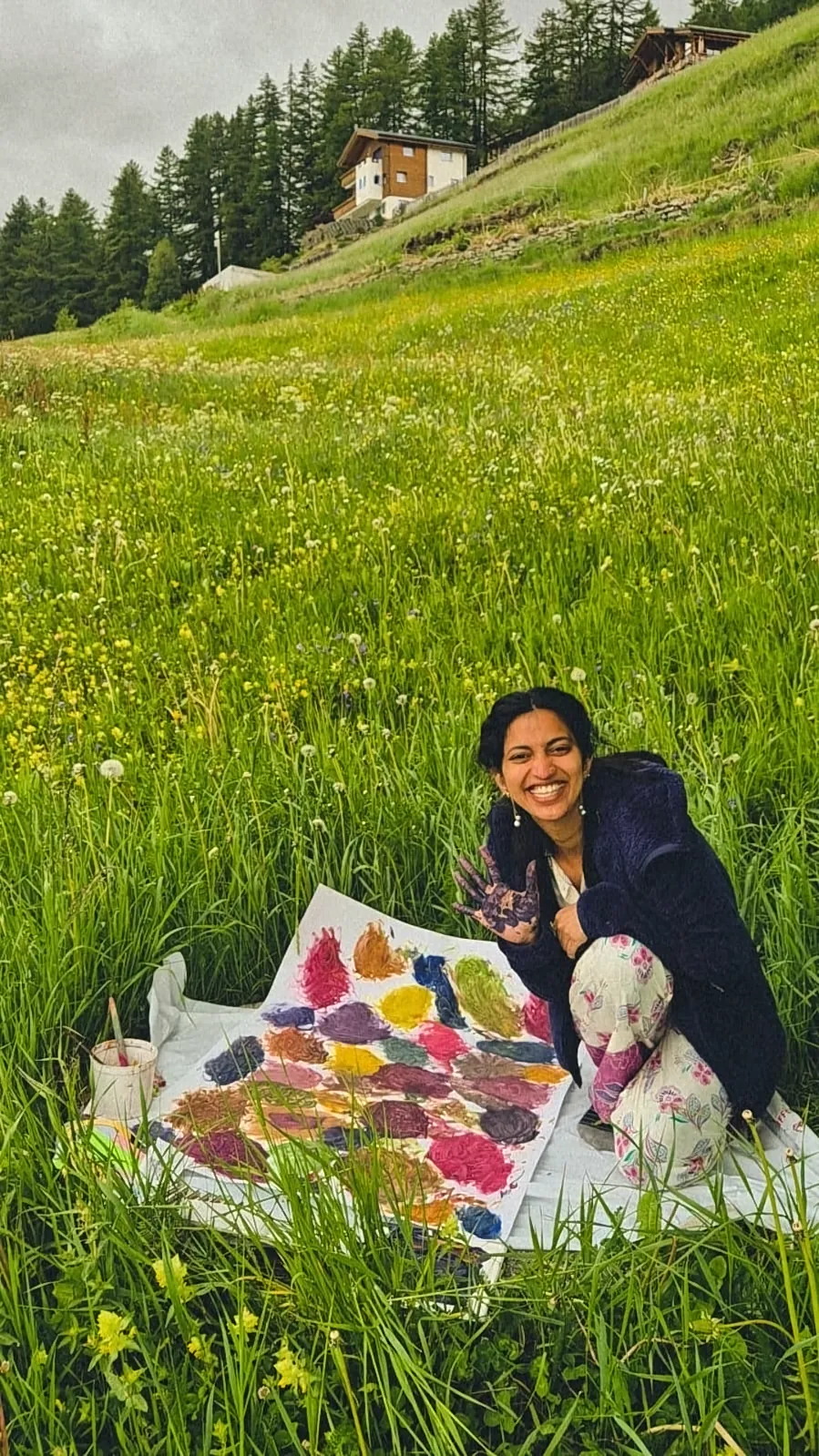
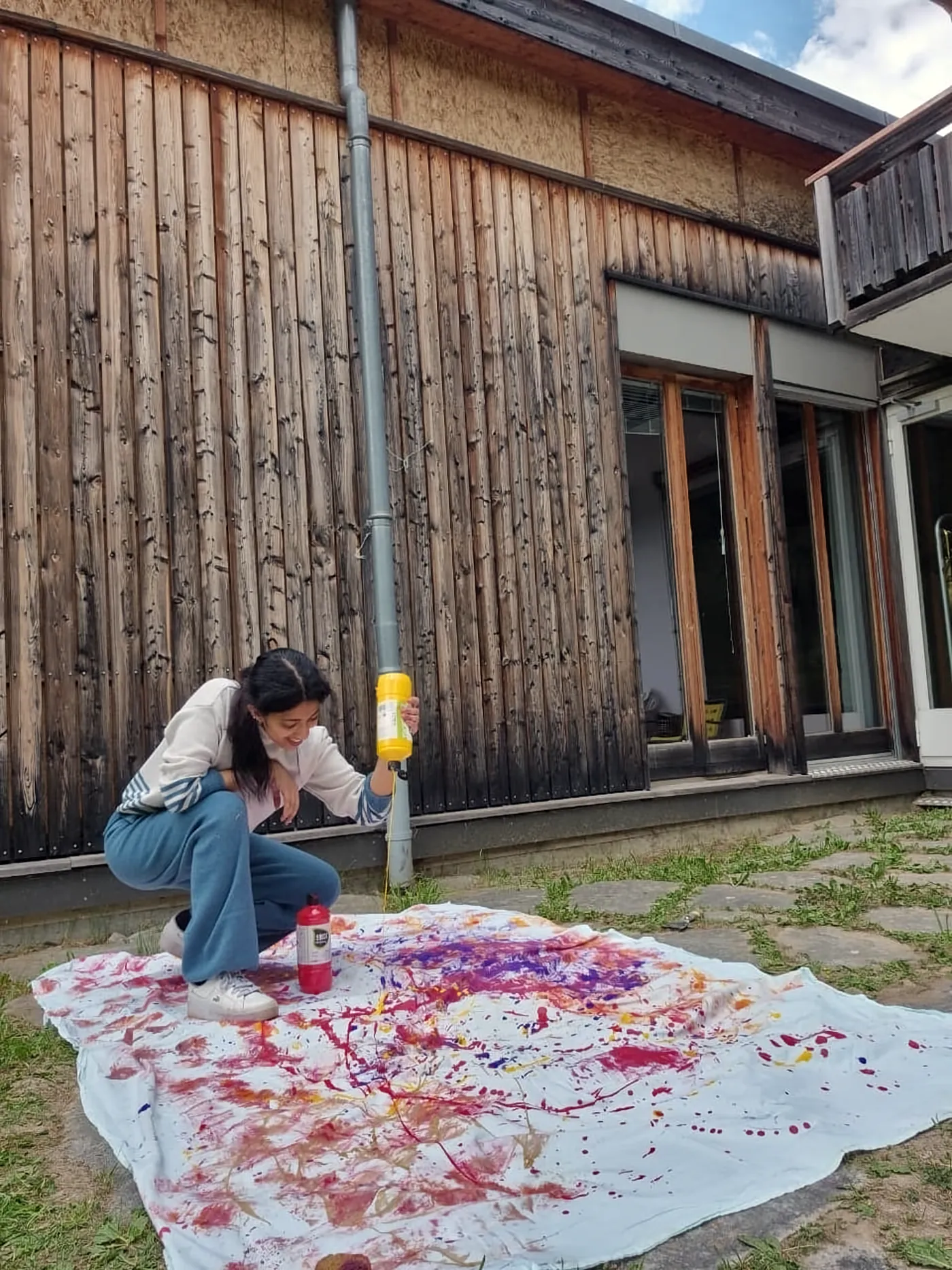
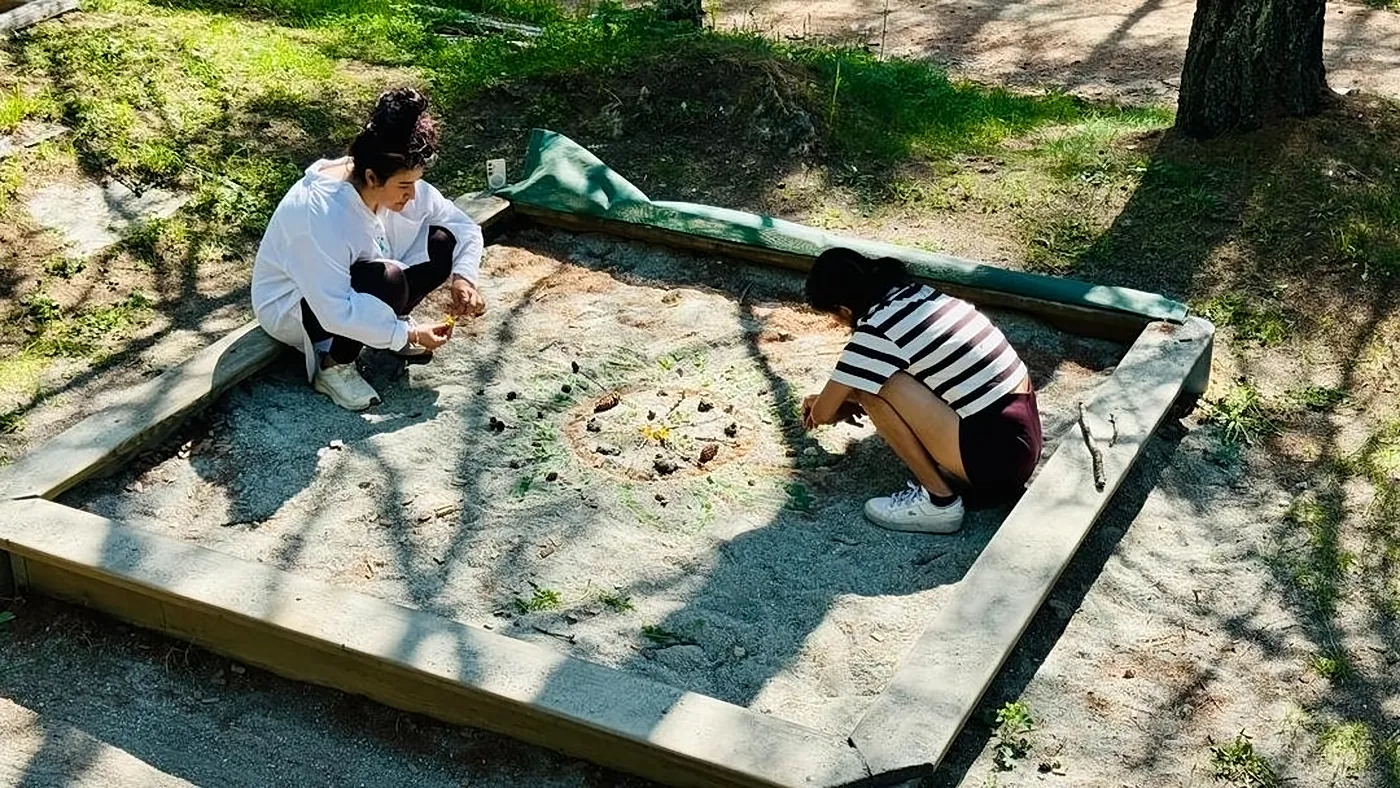
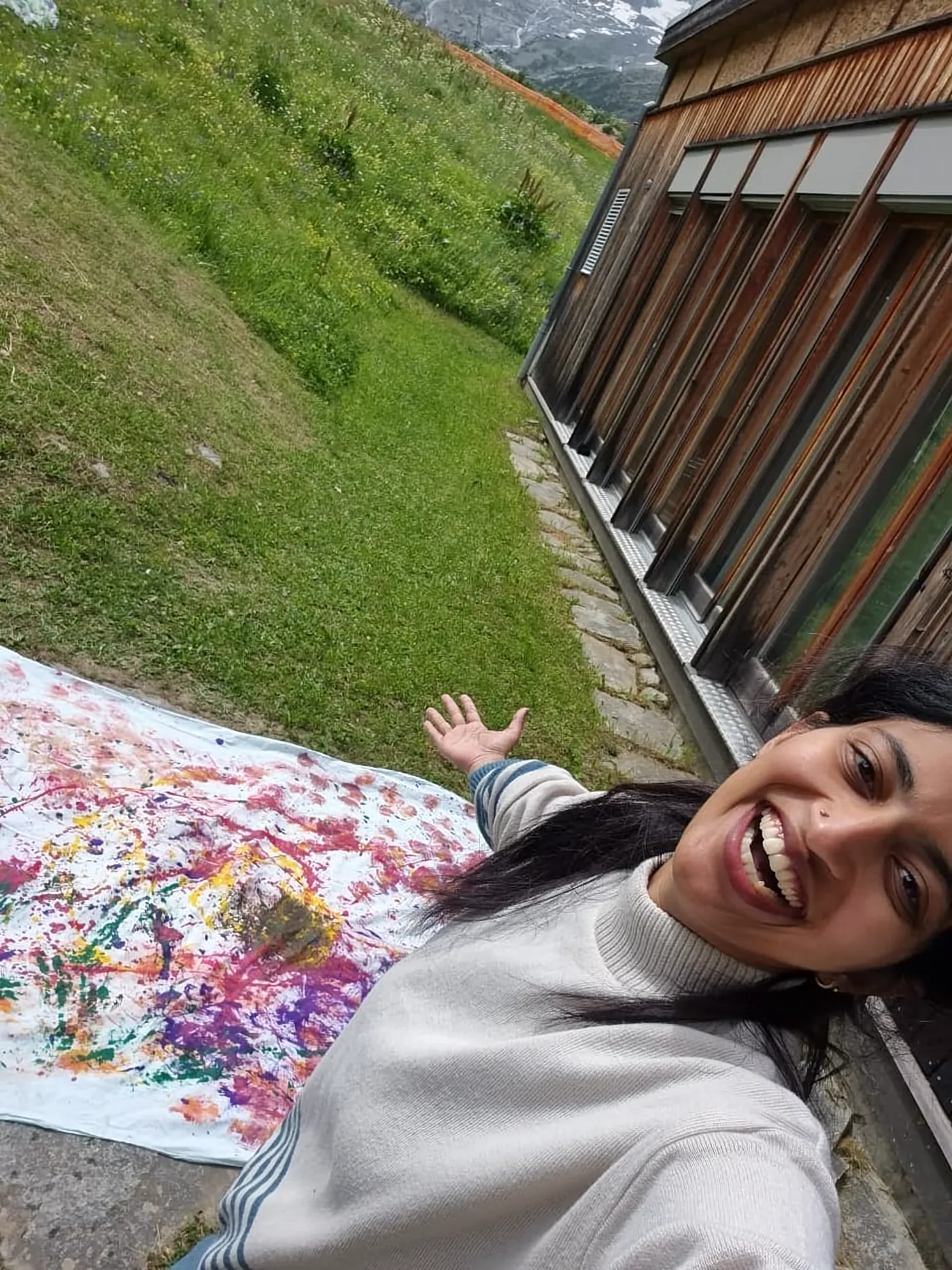
Painting outdoors, working large, sand, words and colour. Online sessions use simpler materials at home, with the same spirit.
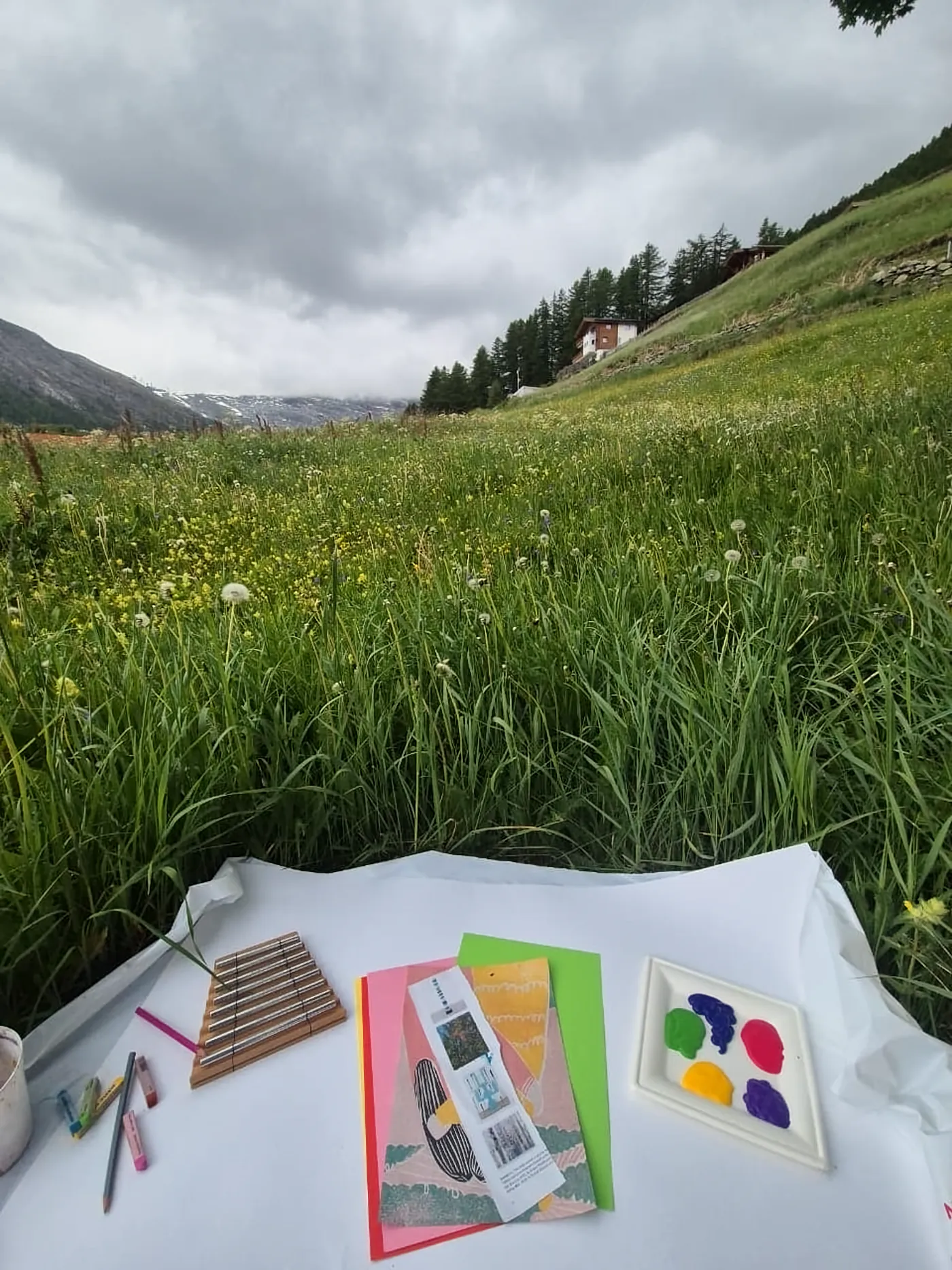
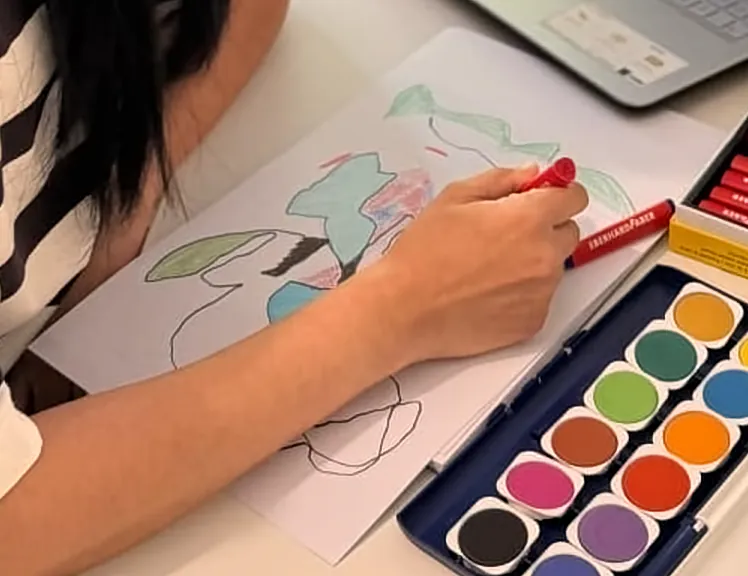
Paper and something to draw with
Pencils, crayons, pastels or paints, whatever you have.
A little space
Enough to stretch your arms or stand up.
Headphones
So you can hear your therapist clearly and keep it private.
You stay in charge
You choose what to show on camera. Your work stays with you.
No. Expressive arts therapy is about the process, not the result. Scribbles, a few sounds or a small movement are all welcome.
Yes. Your therapist guides you over video while you create at home. You decide what you show on camera, and your work stays with you.
Usually a short check-in, then a creative invitation (to draw, move, make sound or write), and time to talk about what came up. Sessions last about 50 minutes.
Ritty Thomas, a psychologist with a Postgraduate Diploma in Expressive Arts Therapy (Berlin). As Ritam grows, other trained practitioners will join, and we check every certificate first.
Expressive arts therapy on Ritam is counselling support, not an emergency service or medical treatment. If you are in crisis, see crisis helplines.